
How to Choose the Right Bathroom Ventilation System to Prevent Mold and Preserve Finishes
What every Grand Rapids homeowner should know about bathroom ventilation
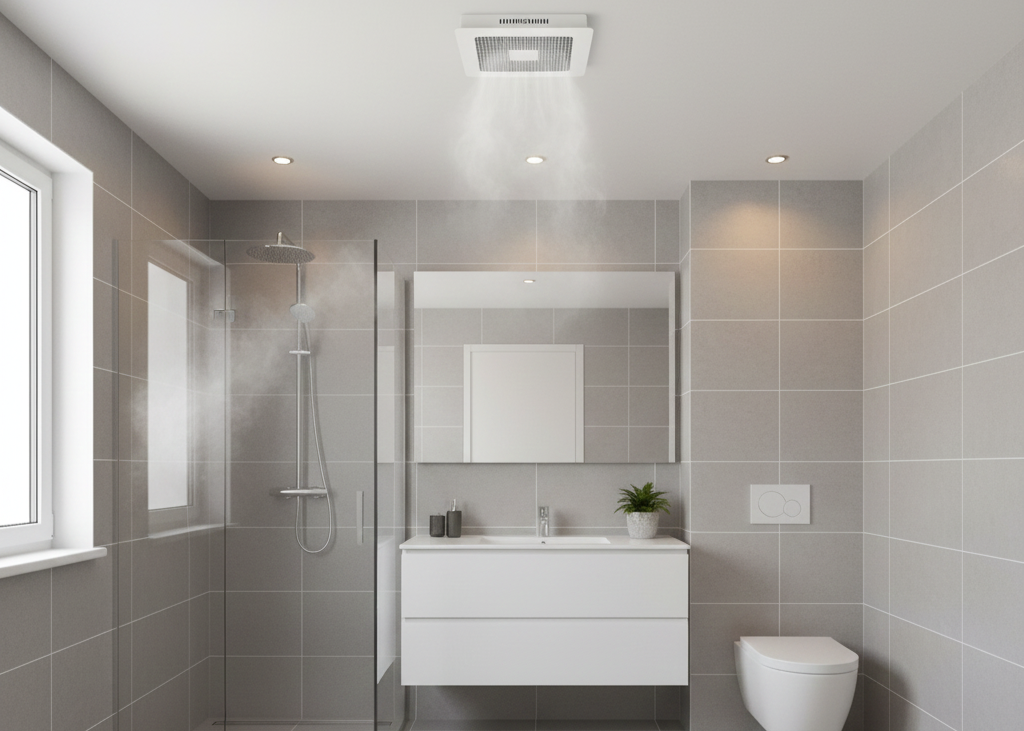
You know that moment when you step into the bathroom after a hot shower and the mirror is fogged over, the air feels heavy, and there’s that faint musty smell you keep trying to ignore? Maybe the paint near the ceiling has started to bubble a bit or a patch of grout doesn’t look quite right. It’s easy to shrug it off. We all do it.
But over time that lingering moisture can snowball into something bigger — mold, warped trim, and finishes that age way too fast.
If you live in Grand Rapids, you already know humidity likes to stick around. Winters trap moisture inside and summer storms add even more to the mix. Your bathroom might look fine right now yet behind the scenes that trapped steam is quietly working against you.
The upside? Fixing the problem doesn’t require a complete remodel. Choosing the right ventilation system can keep your bathroom fresh, healthy, and protected for the long haul.
This guide breaks everything down — no jargon, no engineering degree required.
Why Your Bathroom Needs a Good Fan (More Than You Think)
Bathrooms are small spaces that deal with a lot of daily moisture. All that steam from hot showers creates the perfect playground for mold. And mold doesn’t just look bad. It can aggravate allergies, cause breathing issues, and slowly damage the bones of your home.
Moisture also loves to attack your finishes. Paint can bubble. Grout can yellow. Wood cabinets can swell. And anyone who has ever dealt with repairing water damage knows it’s expensive, messy, and incredibly frustrating.
In Grand Rapids’ unique climate the risk jumps even higher.
A well-chosen ventilation system does more than clear fog from the mirror. It protects your home, your health, and honestly your sanity.
How to Choose a Bathroom Ventilation System That Actually Works
Not all fans are created equal. Here’s what really matters when choosing a system for your bathroom:
1. Make Sure It’s the Right Size
This is where a lot of homeowners go wrong. Fans that are too small can’t keep up with moisture, leaving your bathroom damp no matter how long you run it. The rule of thumb? 1 CFM (cubic feet per minute) per square foot of bathroom space. Got a big shower or a jetted tub? You’ll need a little extra oomph. Oversizing slightly can give you a system that handles even imperfect ductwork or longer runs.
2. Keep Noise in Mind
Here’s a reality check: if a fan is loud and clunky, no one wants to run it. Look for fans rated 1–2 sones. That’s quiet enough that you can forget it’s even on — but it’s still working hard to clear the moisture.
3. Efficiency Is Your Friend
Modern fans aren’t just quieter — they’re smarter. ENERGY STAR–rated models or DC-motor fans use less energy but still deliver powerful airflow. They cost a bit more up front, but think of it as an investment: lower electricity bills and a bathroom that actually stays dry.
4. Smart Features Make Life Easier
Fans with humidity sensors, timers, or motion detection take the guesswork out. They automatically turn on when moisture levels rise and keep running long enough to get the job done. For busy households, or if you’re prone to forgetting, these features are game changers.
5. Don’t Forget the Ductwork
Even the fanciest fan won’t work if it’s venting into an attic or crawlspace. Always vent outside, keep duct runs short and straight, and use rigid ducting when possible. Adding a backdraft damper stops cold or humid air from sneaking back in — it’s a small tweak that pays off big.
6. Placement Is Key
Fans work best near the source of moisture, usually the shower or bathtub. Ceiling-mounted fans are generally most effective. And if you’re wiring over wet areas, make sure it’s up to code — safety first, always.
Everyday Habits That Keep Your Bathroom Healthy
Even the best fan needs a little love:
- Run it before, during, and after showers.
- Clean the grille and blades occasionally — dust builds up fast.
- Inspect ductwork yearly.
- In humid months, opening a window or using a portable dehumidifier gives your system a little boost.
Think of it like brushing your teeth: simple, quick, but it keeps things healthy over the long term.
Common Pitfalls Homeowners Run Into
- Choosing an undersized fan — moisture wins every time.
- Venting incorrectly — attic or crawlspace is a no-go.
- Ignoring duct design — twists and bends kill airflow.
- Skipping regular use — the fan only works if you turn it on.
- Neglecting cleaning — dust and debris limit performance.
Local Insights for Grand Rapids Homes
Grand Rapids weather throws a curveball by mixing cold, damp winters with warm, sticky summers. That means indoor humidity doesn’t just come from showers — it sneaks in from everywhere. Local building codes also have specific ventilation requirements and older homes usually need a little creativity during retrofits.
A local professional understands those quirks and can help you pick (and install) a system that works with your home instead of against it.
Why Local Expertise Matters in Grand Rapids
Installing a bath fan seems simple yet there’s a surprising amount of technical detail behind it — sizing, venting, duct design, and safety. Someone who knows Grand Rapids homes and climate challenges can set up a system that actually solves the problem instead of masking it.
Protect Your Bathroom With Grand Rapids Remodeling Pros
Bathroom ventilation might feel like a small piece of the puzzle but it’s one of the smartest upgrades you can make. The right fan, installed correctly, keeps your family healthy, your finishes looking sharp, and your bathroom smelling fresh year-round.
If you're ready for a bathroom that stays dry, comfortable, and mold-free, Grand Rapids Remodeling Pros can help. They’ll walk you through choosing the right fan, handle the installation, and make sure your ductwork is optimized for maximum performance.
Reach out today for a consultation and take the first step toward a bathroom that actually feels as good as it looks — no musty smells, no peeling paint, no stress.